
Sleep is one of the most important pillars of a healthy lifestyle, yet many people underestimate its impact on overall well-being. In today’s fast-paced world, long working hours, excessive screen time, and stress often interfere with healthy sleep patterns. However, quality sleep is essential for maintaining physical health, emotional balance, and mental performance.
Understanding the Importance of Sleep can help individuals improve their daily routines, increase productivity, and reduce the risk of various health problems. From strengthening the immune system to improving concentration and mood, good sleep affects nearly every aspect of life.
What Happens to Your Body During Sleep?
Sleep is a natural process that allows the body and mind to recover. During sleep, the brain processes information, repairs tissues, and restores energy levels.
Important functions of sleep:
- Muscle recovery
- Memory consolidation
- Hormone regulation
- Immune system support
- Brain development
According to the Centers for Disease Control and Prevention (CDC), adults generally need seven to nine hours of sleep each night for optimal health.
The Physical Health Benefits of Quality Sleep
Getting enough sleep offers several physical health benefits.
Better Heart Health
Quality sleep helps regulate blood pressure and supports cardiovascular health.
Stronger Immune System
Sleep allows the immune system to fight infections and illnesses more effectively.
Weight Management
Poor sleep can disrupt hormones that control hunger, increasing the risk of weight gain.
Increased Energy Levels
People who get enough sleep often feel more energetic and productive during the day.
How Sleep Affects Mental Health
Sleep and mental health are closely connected. Lack of sleep can negatively affect emotions, concentration, and decision-making.
Mental benefits of quality sleep:
- Improved focus
- Better memory
- Reduced stress
- Enhanced mood
- Improved emotional balance
The National Institute of Mental Health (NIMH) emphasizes the importance of sleep for emotional well-being and cognitive performance.
Common Causes of Poor Sleep
Many factors can interfere with sleep quality.
Common sleep disruptors:
- Stress and anxiety
- Excessive screen time
- Irregular sleep schedules
- Caffeine consumption
- Noise pollution
- Poor sleeping environment
Identifying these factors is the first step toward improving sleep habits
Healthy Habits for Better Sleep Quality
Creating a healthy sleep routine can significantly improve sleep quality.
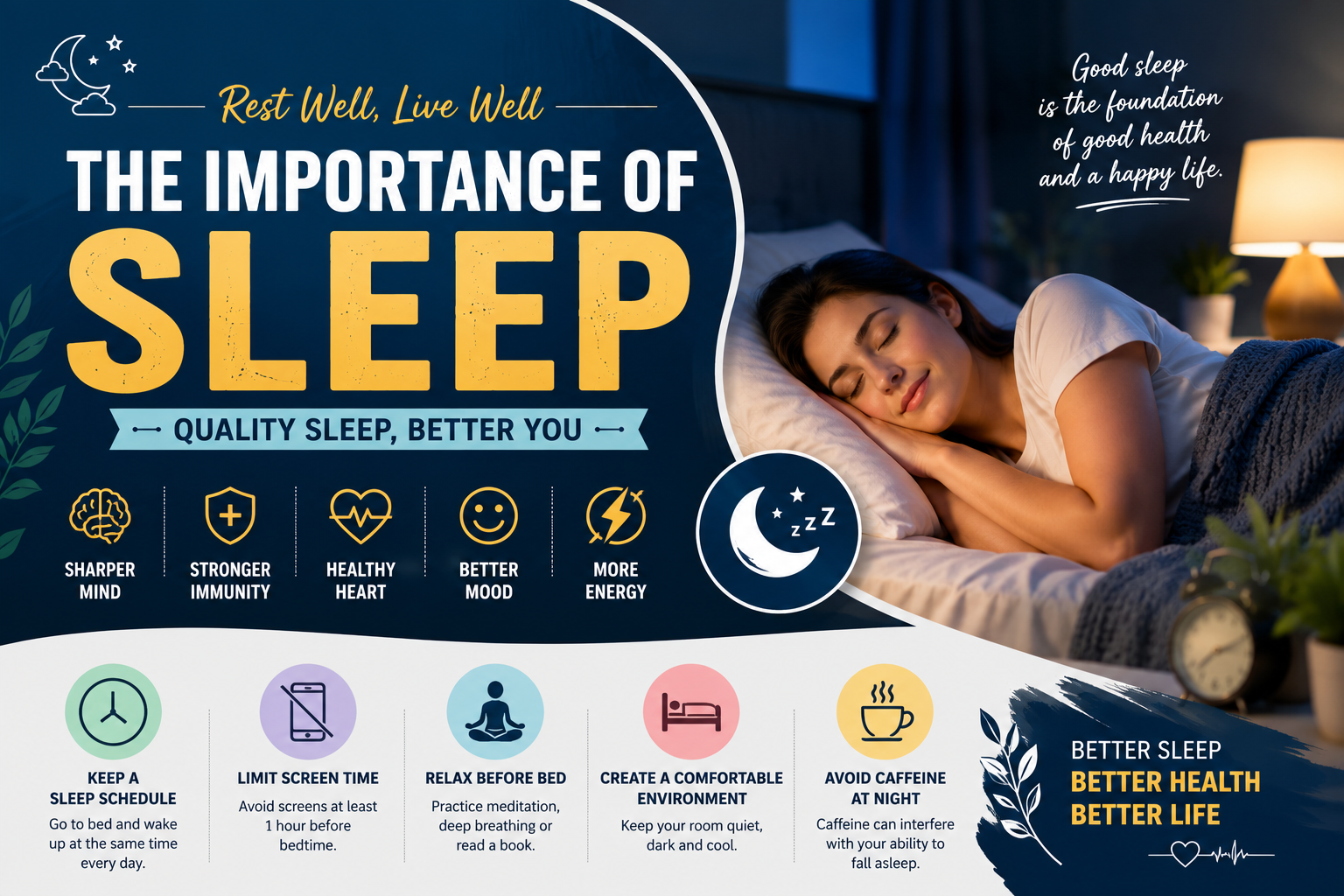
Tips for better sleep:
- Maintain a consistent sleep schedule.
- Avoid screens before bedtime.
- Limit caffeine intake in the evening.
- Exercise regularly.
- Keep your bedroom cool and quiet.
- Practice relaxation techniques.
These habits can help improve sleep and support overall wellness.
The Relationship Between Sleep and Productivity
People who sleep well are generally more productive and focused.
How sleep improves productivity:
- Better concentration
- Faster problem-solving
- Improved creativity
- Higher energy levels
- Better decision-making
Quality sleep helps individuals perform better at work, school, and daily activities.
Sleep and a Healthy Lifestyle
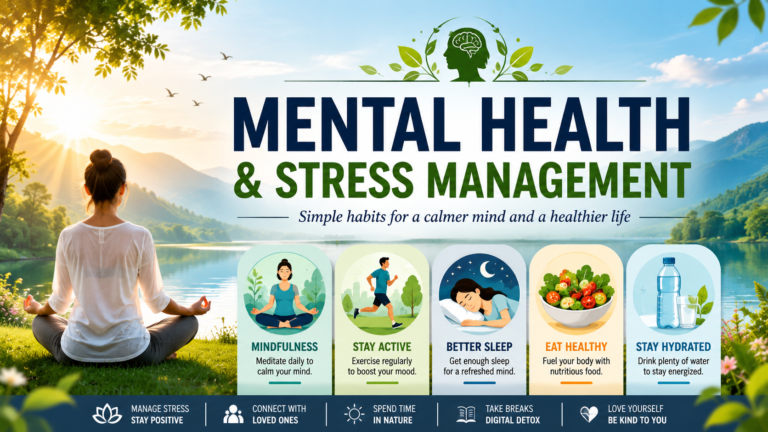
Sleep is just as important as nutrition and exercise when it comes to maintaining a healthy lifestyle.
The Sleep Foundation recommends prioritizing sleep alongside other healthy habits to improve overall well-being.
Healthy lifestyle habits include:
- Balanced nutrition
- Regular exercise
- Stress management
- Hydration
- Quality sleep
Signs That You May Not Be Getting Enough Sleep
You may need to improve your sleep habits if you experience:
- Constant fatigue
- Difficulty concentrating
- Frequent mood changes
- Daytime sleepiness
- Reduced productivity
- Increased stress
Recognizing these signs early can help prevent long-term health problems.
Conclusion
Understanding the Importance of Sleep is essential for maintaining physical health, mental wellness, and overall quality of life. Quality sleep supports the immune system, improves concentration, boosts mood, and increases energy levels.
By developing healthy sleep habits and making sleep a priority, individuals can improve their well-being and enjoy a healthier, more productive life.
Frequently Asked Questions
How many hours of sleep do adults need?
Most adults need between seven and nine hours of sleep each night.
Why is sleep important for mental health?
Sleep helps regulate emotions, improve concentration, and reduce stress and anxiety.
How can I improve my sleep quality?
You can improve sleep quality by following a consistent schedule, limiting screen time, exercising regularly, and creating a comfortable sleeping environment.