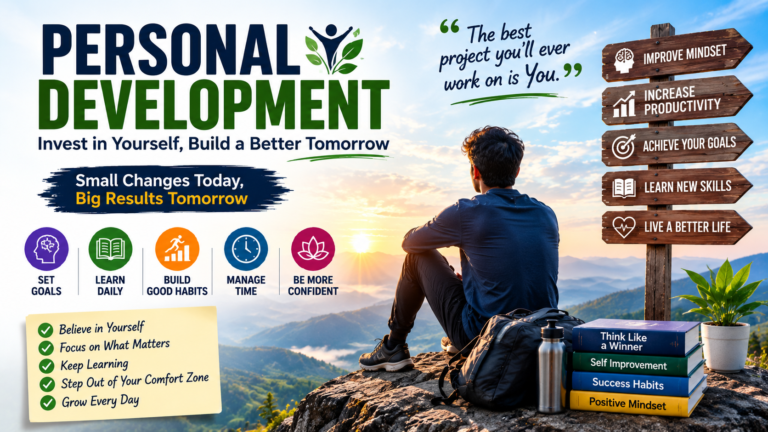


Lifestyle Tips for a Balanced Life
In today’s fast-paced world, maintaining a balanced lifestyle has become more important than ever. Between work responsibilities, family commitments, personal goals, and the constant presence of technology, many people struggle to find time for themselves. However, living a balanced life doesn’t require dramatic changes—it starts with small, meaningful habits practiced consistently.
A balanced lifestyle supports not only physical health but also mental well-being, emotional stability, and financial security. By making conscious choices every day, you can reduce stress, improve productivity, strengthen relationships, and enjoy a happier, healthier life.
In this guide, we’ll explore practical lifestyle tips for a balanced life that anyone can follow, regardless of age or profession.
Why a Balanced Lifestyle Matters
Balance means giving attention to all important areas of your life instead of focusing on only one. While career success is valuable, neglecting your health, relationships, or personal growth can lead to burnout and dissatisfaction.
Benefits of a balanced lifestyle include:
- Better physical health
- Reduced stress and anxiety
- Improved relationships
- Higher productivity
- Greater happiness
- Better work-life balance
- Increased confidence
Achieving balance helps you enjoy life while preparing for future challenges.
1. Start Your Day with a Positive Routine
The way you begin your morning often influences the rest of your day.
A productive morning routine may include:
- Waking up early
- Drinking a glass of water
- Stretching or light exercise
- Meditation or deep breathing
- Reading a book
- Planning your daily tasks
Even spending 20–30 minutes on a mindful morning routine can improve focus and energy levels.
2. Eat Nutritious Foods
Healthy eating provides the fuel your body and mind need to perform at their best.
Include foods such as:
- Fresh fruits
- Green vegetables
- Whole grains
- Lean proteins
- Nuts and seeds
- Healthy fats
Try to reduce your intake of sugary drinks, processed snacks, and fast food. Preparing meals at home can also help you make healthier choices.
3. Stay Physically Active
Exercise is essential for maintaining both physical and mental health.
You don’t have to spend hours at the gym. Simple activities can make a big difference, including:
- Walking
- Cycling
- Swimming
- Yoga
- Dancing
- Strength training
Aim for at least 30 minutes of physical activity five days a week.
4. Take Care of Your Mental Health
Mental health is just as important as physical health.
Simple ways to improve your mental well-being include:
- Practicing mindfulness
- Keeping a journal
- Spending time in nature
- Limiting negative news consumption
- Talking with trusted friends or family
Don’t hesitate to seek professional support if you’re feeling overwhelmed or experiencing persistent emotional challenges.
5. Manage Your Time Wisely
Good time management reduces stress and increases productivity.
Helpful strategies include:
- Creating daily to-do lists
- Prioritizing important tasks
- Avoiding procrastination
- Setting realistic goals
- Taking regular breaks
Remember, being busy isn’t always the same as being productive.
6. Build Strong Relationships
Healthy relationships contribute significantly to happiness and emotional stability.
Spend quality time with:
- Family
- Friends
- Neighbors
- Colleagues
Show appreciation, communicate openly, and make time for meaningful conversations. Strong social connections can improve resilience during difficult times.
7. Reduce Screen Time
Technology is useful, but excessive screen time can affect sleep, focus, and mental health.
Consider these habits:
- Avoid using your phone during meals.
- Set screen-free hours before bedtime.
- Take breaks from social media.
- Spend more time outdoors.
Finding a healthy balance between digital and offline life can improve overall well-being.
8. Practice Financial Wellness
Financial stress can affect every aspect of life.
Develop healthy money habits by:
- Creating a monthly budget
- Saving regularly
- Avoiding unnecessary debt
- Tracking expenses
- Investing for the future
Even small savings can provide peace of mind and financial security over time.
9. Continue Learning
Personal growth is an important part of a balanced lifestyle.
Expand your knowledge by:
- Reading books
- Taking online courses
- Learning a new language
- Developing professional skills
- Exploring creative hobbies
Lifelong learning boosts confidence and keeps your mind active.
10. Make Time for Yourself
Self-care is not a luxury—it is a necessity.
Spend time doing activities you genuinely enjoy, such as:
- Reading
- Gardening
- Painting
- Listening to music
- Traveling
- Spending time with loved ones
Taking care of yourself enables you to better care for others and handle life’s challenges with greater resilience.
Simple Daily Habits for a Better Life
Small habits can have a significant impact over time.
Try incorporating these into your routine:
- Drink enough water
- Sleep 7–9 hours each night
- Practice gratitude
- Keep your living space organized
- Smile more often
- Limit unnecessary stress
- Celebrate small achievements
Consistency is more important than perfection.
Conclusion
Following these lifestyle tips for a balanced life can help you build healthier habits, improve your overall well-being, and create a more fulfilling future. True balance isn’t about doing everything perfectly—it’s about making intentional choices that support your physical, mental, emotional, and financial health.
Start with one or two small changes today, and gradually build a routine that works for you. Over time, these simple habits can lead to a happier, healthier, and more meaningful life.
Frequently Asked Questions
What is a balanced lifestyle?
A balanced lifestyle means maintaining harmony between work, health, relationships, personal growth, and leisure while avoiding excessive stress or neglect in any area.
How can I improve my daily lifestyle?
You can improve your lifestyle by eating healthy, exercising regularly, sleeping well, managing stress, staying organized, and maintaining positive relationships.
Why is self-care important?
Self-care supports mental and physical health, reduces stress, improves productivity, and helps prevent burnout.
How much exercise should I do?
Health experts generally recommend at least 150 minutes of moderate physical activity per week, along with strength-training exercises on two or more days.
Can small habits really make a difference?
Yes. Small, consistent habits practiced daily often lead to significant long-term improvements in health, happiness, and overall quality of life.