
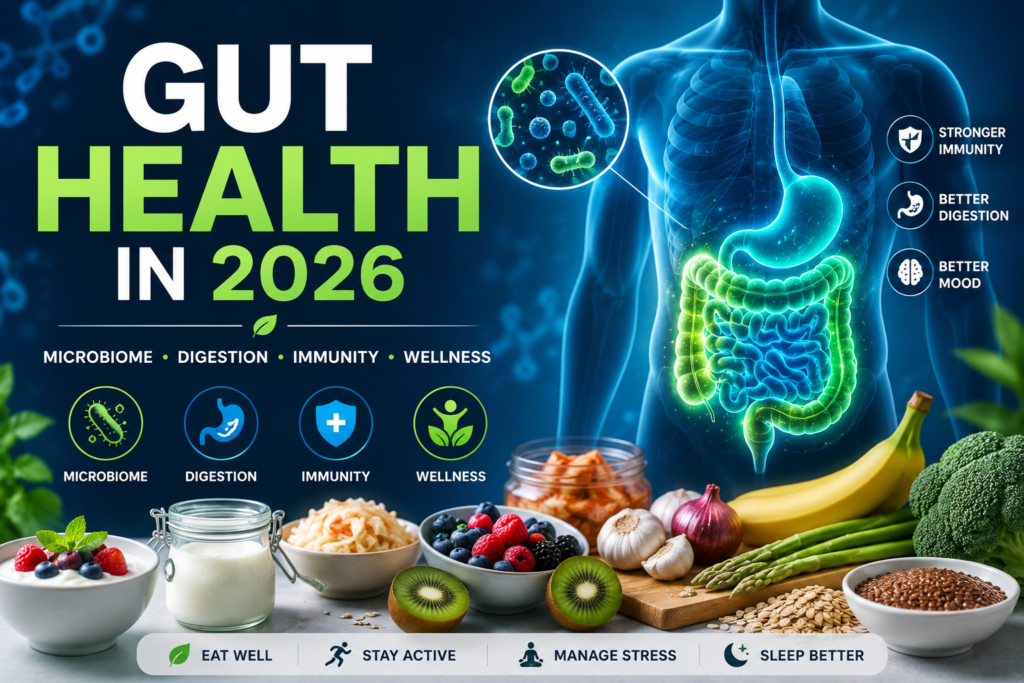
Health experts continue to emphasize one important factor in overall wellness: gut health. In 2026, researchers are uncovering even more connections between the digestive system, immunity, mental health, metabolism, and long-term well-being.
Your gut is home to trillions of microorganisms, collectively known as the gut microbiome. These bacteria, fungi, and other microbes play a crucial role in maintaining a healthy body.
Let’s explore why gut health is becoming one of the biggest health trends of 2026 and how you can improve your microbiome naturally.
What Is Gut Health?
Gut health refers to the balance and function of microorganisms living in your digestive system.
A healthy gut microbiome helps:
- Digest food efficiently
- Absorb nutrients
- Support immune function
- Regulate metabolism
- Protect against harmful bacteria
When this balance is disrupted, it may contribute to digestive problems and other health concerns.
Why Gut Health Matters More Than Ever
Scientists now understand that gut health affects much more than digestion.
Research suggests a healthy microbiome may influence:
Immune System Function
Nearly 70% of the immune system is connected to the gut. A balanced microbiome helps the body fight infections and maintain immune resilience.
Mental Health
The gut-brain connection has become a major area of study. Researchers have found links between gut health and mood, stress management, and cognitive function.
Weight Management
Gut bacteria can impact metabolism, appetite regulation, and how the body processes nutrients.
Signs of Poor Gut Health
Some common indicators include:
- Frequent bloating
- Constipation
- Diarrhea
- Excessive gas
- Food sensitivities
- Fatigue
- Poor sleep quality
- Weakened immunity
While occasional digestive issues are normal, persistent symptoms may indicate an imbalance in the gut microbiome.
Best Foods for Gut Health in 2026
Diet remains one of the most effective ways to improve gut health.
1. Fermented Foods
Fermented foods contain beneficial probiotics.
Examples include:
- Yogurt
- Kefir
- Kimchi
- Sauerkraut
- Kombucha
2. High-Fiber Foods
Fiber acts as food for healthy gut bacteria.
Good sources include:
- Oats
- Beans
- Lentils
- Fruits
- Vegetables
- Whole grains
3. Prebiotic Foods
Prebiotics support the growth of beneficial bacteria.
Examples include:
- Garlic
- Onions
- Bananas
- Asparagus
- Leeks
4. Polyphenol-Rich Foods
Polyphenols help support microbial diversity.
Sources include:
- Berries
- Green tea
- Dark chocolate
- Olive oil
Lifestyle Habits That Improve Gut Health
Improving gut health goes beyond diet.
Stay Physically Active
Regular exercise supports a diverse microbiome and overall digestive health.
Manage Stress
Chronic stress can negatively impact gut bacteria and digestion.
Consider:
- Meditation
- Deep breathing
- Yoga
- Mindfulness practices
Prioritize Sleep
Poor sleep may disrupt gut health and increase inflammation.
Most adults should aim for 7–9 hours of quality sleep each night.
For more wellness strategies, check out our guide on Healthy Lifestyle Tips 2026 to build sustainable habits for long-term health.
Gut Health and Immunity in 2026
As preventive healthcare gains popularity, gut health is becoming a central focus.
Experts recommend maintaining a diverse diet, reducing ultra-processed foods, and supporting healthy bacteria through nutrition and lifestyle choices.
Additional evidence-based health information can be found through the official website of the Mayo Clinic:
Common Gut Health Mistakes
Avoid these common habits:
- Excessive processed food consumption
- Overuse of antibiotics without medical advice
- Chronic stress
- Poor sleep routines
- Lack of dietary fiber
- Excessive sugar intake
Small changes can make a significant difference over time.
The Future of Gut Health Research
Researchers continue exploring how the microbiome may influence:
- Personalized nutrition
- Disease prevention
- Mental wellness
- Healthy aging
- Immune system optimization
Many experts believe gut health will play an increasingly important role in preventive healthcare over the next decade.
Conclusion
Gut health is one of the most important wellness topics in 2026. A healthy microbiome supports digestion, immunity, mental well-being, and overall quality of life.
By eating nutrient-rich foods, staying active, managing stress, and prioritizing sleep, you can help maintain a healthy gut and support long-term wellness.
Frequently Asked Questions (FAQs)
What is the gut microbiome?
The gut microbiome is a community of trillions of microorganisms living in the digestive tract that support overall health.
Which foods improve gut health?
Fermented foods, fiber-rich foods, prebiotic foods, fruits, vegetables, and whole grains can support a healthy gut.
Can gut health affect mental health?
Research suggests a strong connection between the gut and brain, often referred to as the gut-brain axis.
How long does it take to improve gut health?
Positive changes may begin within a few weeks, though long-term consistency provides the greatest benefits.
Is gut health important for immunity?
Yes. A large portion of the immune system is connected to the digestive tract, making gut health important for immune function.